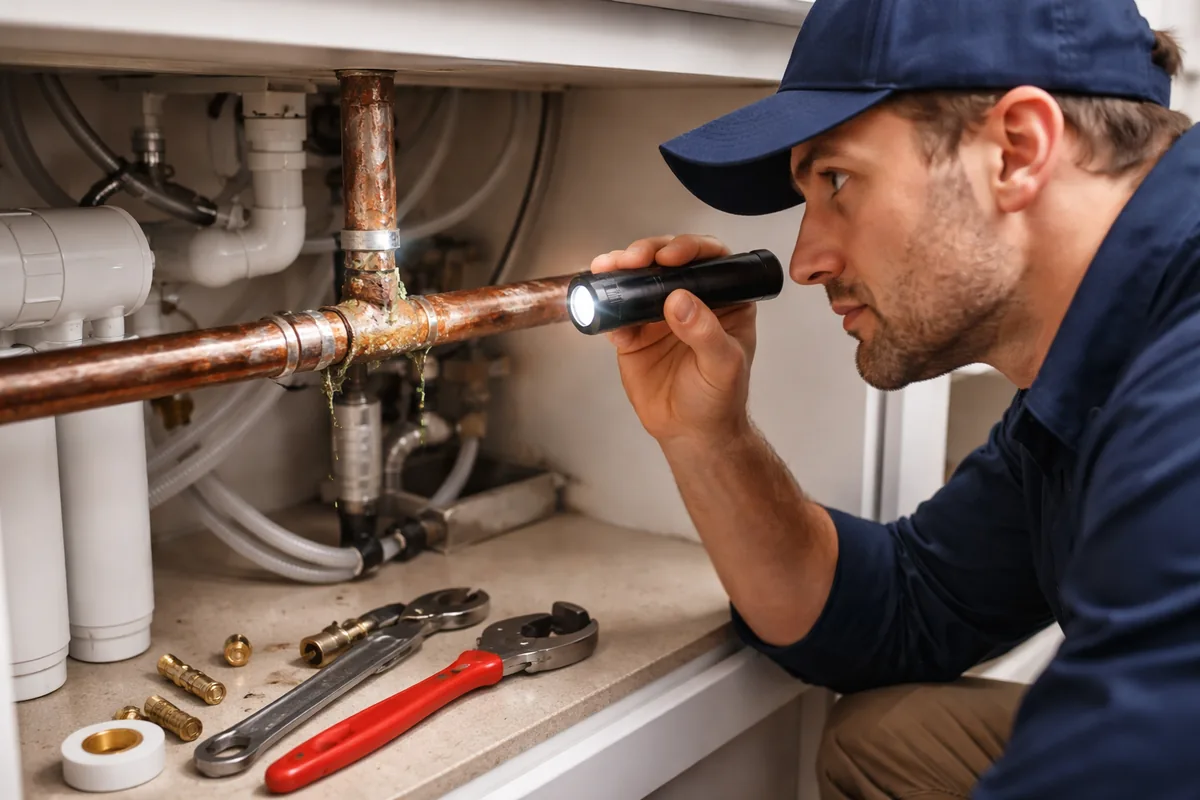
Regular inspection of your plumbing system can save money and prevent significant damage. If you notice signs of wear, inefficiency, or frequent repairs, it might be time to consider upgrading your home plumbing.
Signs of outdated plumbing systems
Several indicators suggest that your plumbing might not be meeting modern standards. Here are a few to watch for:
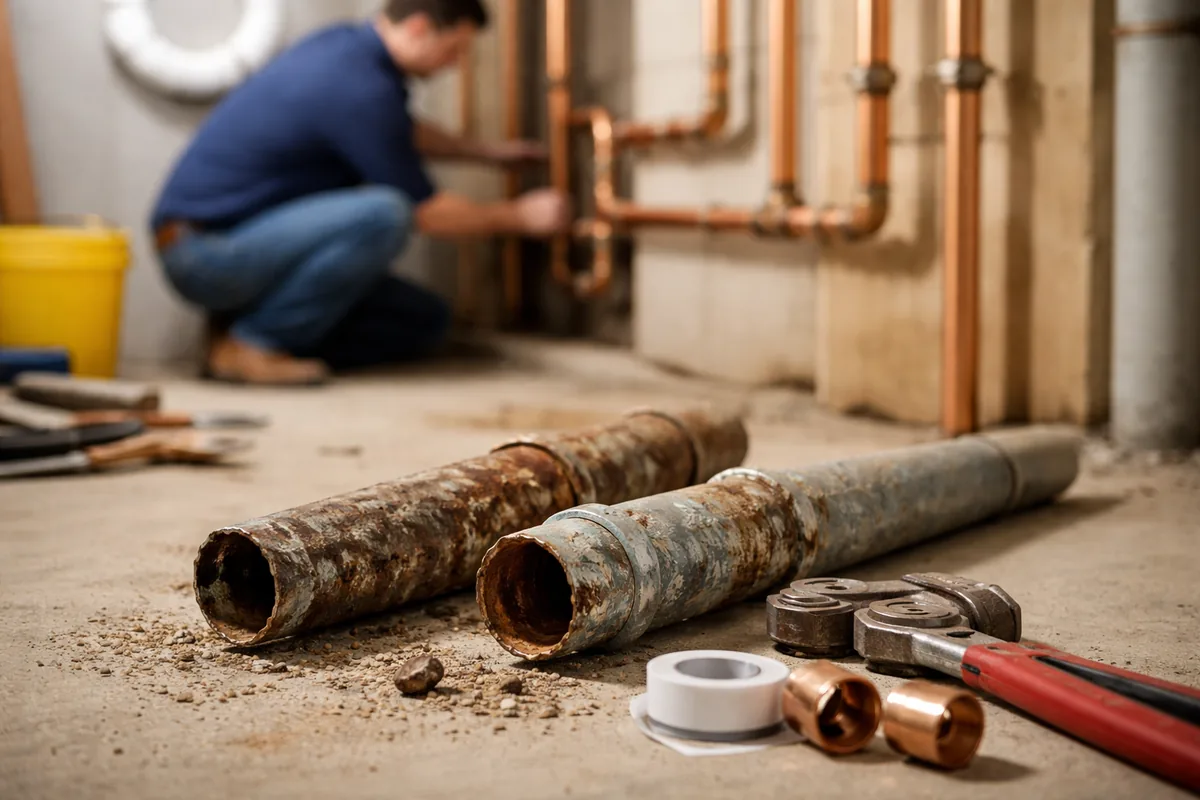
- Age of pipes: Most plumbing pipes last 20-50 years. If your house was built over 50 years ago and still has the original plumbing, schedule an inspection.
- Frequent leaks: If leaks are a common occurrence, your plumbing system may need to be assessed for material deterioration.
- Low water pressure: Significant drops in water pressure can indicate pipe clogging, corrosion, or structural issues.
- Rusty or discolored water: If you notice a change in your water's appearance or taste, immediate checking of your pipes is necessary.
- Mold growth: Mold and mildew around plumbing fixtures can indicate unseen leaks or moisture issues.
Types of plumbing materials
Understanding the materials used in your home plumbing can help determine its lifespan and performance. Here are common plumbing materials:
| Material | Typical Lifespan | Pros | Cons |
|---|---|---|---|
| Galvanized steel | 20-50 years | Durable, corrosion-resistant | Prone to rust and leaks |
| Cast iron | 75-100 years | Strong and long-lasting | Heavy, prone to corrosion |
| Polyvinyl chloride (PVC) | 25-40 years | Lightweight, resistant to corrosion | Can warp with heat |
| Cross-linked polyethylene (PEX) | 40-50 years | Flexible, easy to install | Not suitable for outdoor use |
| Copper | 70-100 years | Durability and excellent heat resistance | Higher cost, can corrode |
Cost considerations for plumbing upgrades
The cost of upgrading your plumbing system depends on various factors, including the size of your home, the materials selected, and local labor rates. Typical costs can range from a few hundred to several thousand dollars. On average, homeowners can expect to pay around $1,500 to $5,000 for a complete upgrade of their plumbing fixtures. Here’s a breakdown of potential expenses:
- Pipe replacement: Replacing old pipes can cost between $1,000 and $3,000, depending on materials.
- Fixture upgrades: Modern faucets and toilets can range from $100 to $800 per unit.
- Labor costs: Plumber rates vary based on geographical area, usually between $45 to $150 per hour.
- Permits and inspections: Local regulations may require permits, typically costing between $50 to $300.
DIY vs. professional assistance
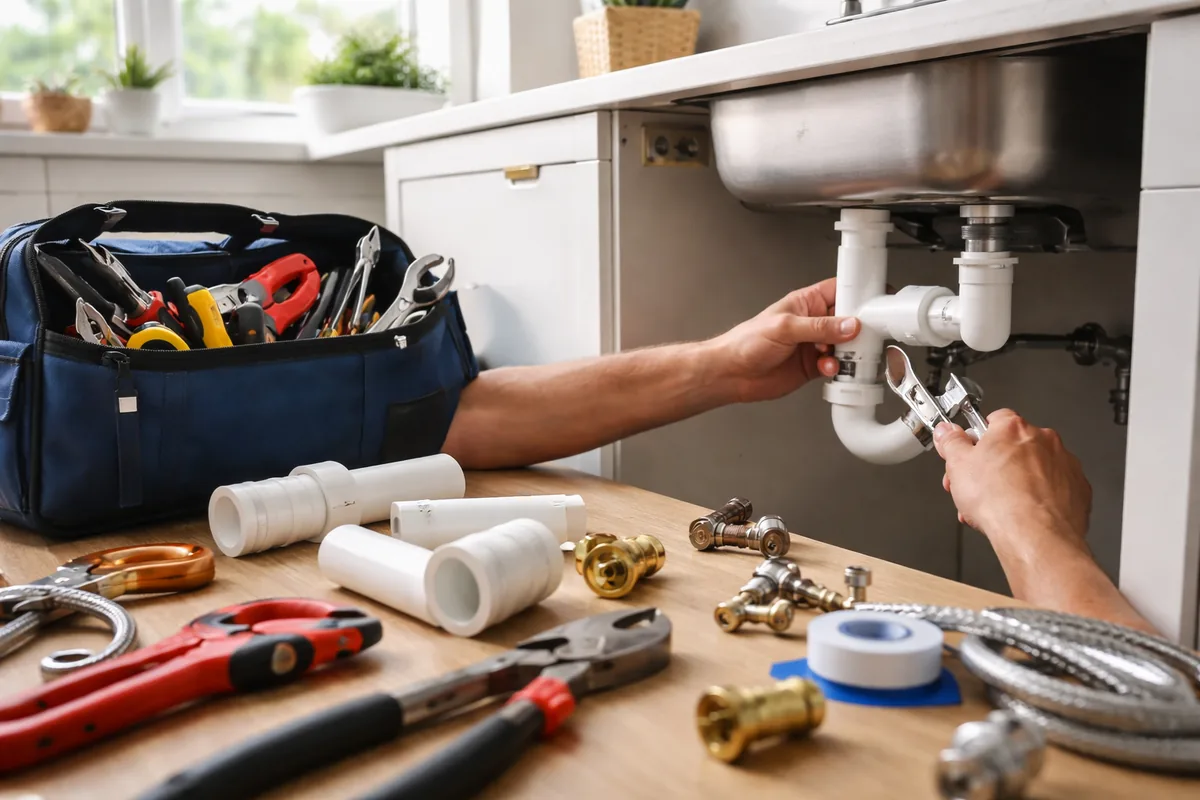
Homeowners often consider whether to undertake plumbing upgrades independently or hire professionals. While DIY approaches can save money, they require knowledge and skill to avoid costly mistakes. Some considerations include:
- Complexity: Simple tasks, such as changing fixtures, may be suitable for DIY, but entire system upgrades often require professional expertise.
- Time commitment: Upgrading plumbing can take significant time, especially if modifications to existing structures are needed.
- Regulations: Some areas may enforce codes that require licensed contractors for specific plumbing work.
Benefits of upgrading plumbing systems
Upgrading your plumbing can provide numerous benefits. Here are key advantages:
- Improved water quality: New pipes and fixtures can reduce contaminants and enhance your water's taste.
- Increased efficiency: Modern appliances use less water, saving money on utility bills.
- Increased property value: Upgraded plumbing systems make homes more attractive to potential buyers.
- Reduced repair costs: New plumbing is less prone to leaks and failures, leading to fewer repair expenses.
Maintaining upgraded plumbing
Once you upgrade your plumbing, maintenance is essential to prolong its life. Consider these tips:
- Regular inspection: Schedule yearly plumbing checks to catch minor issues before they escalate.
- Flushing water heaters: Regularly flush water heaters to prevent sediment buildup and improve efficiency.
- Use safe chemicals: Avoid harsh drain cleaners that can damage pipes; opt for enzyme cleaners instead.
FAQ
How often should I inspect my plumbing system?
It's recommended to inspect your plumbing system at least once a year to identify potential issues early.
What are the signs of lead pipes?
Signs of lead pipes include discolored water, a metallic taste, or frequent leaks. If suspected, consult a plumber for inspection.
Can I install plumbing fixtures myself?
Yes, many homeowners can install simple plumbing fixtures. However, for plumbing systems, professional installation is often advised.
How long does a plumbing upgrade take?
The duration for plumbing upgrades can vary from a few days for minor work to several weeks for major overhauls, depending on the complexity of the project.
Is it worth upgrading old plumbing?
Upgrading old plumbing generally increases efficiency, improves water quality, and can enhance your home's value, making it a worthwhile investment.