To winterize outdoor plumbing and prevent freezing, begin by draining water from all outdoor pipes, faucets, and irrigation systems. Additionally, insulate exposed pipes and use faucet covers to shield them from the cold. Taking these steps will protect your plumbing system during winter.
Why winterizing outdoor plumbing is essential
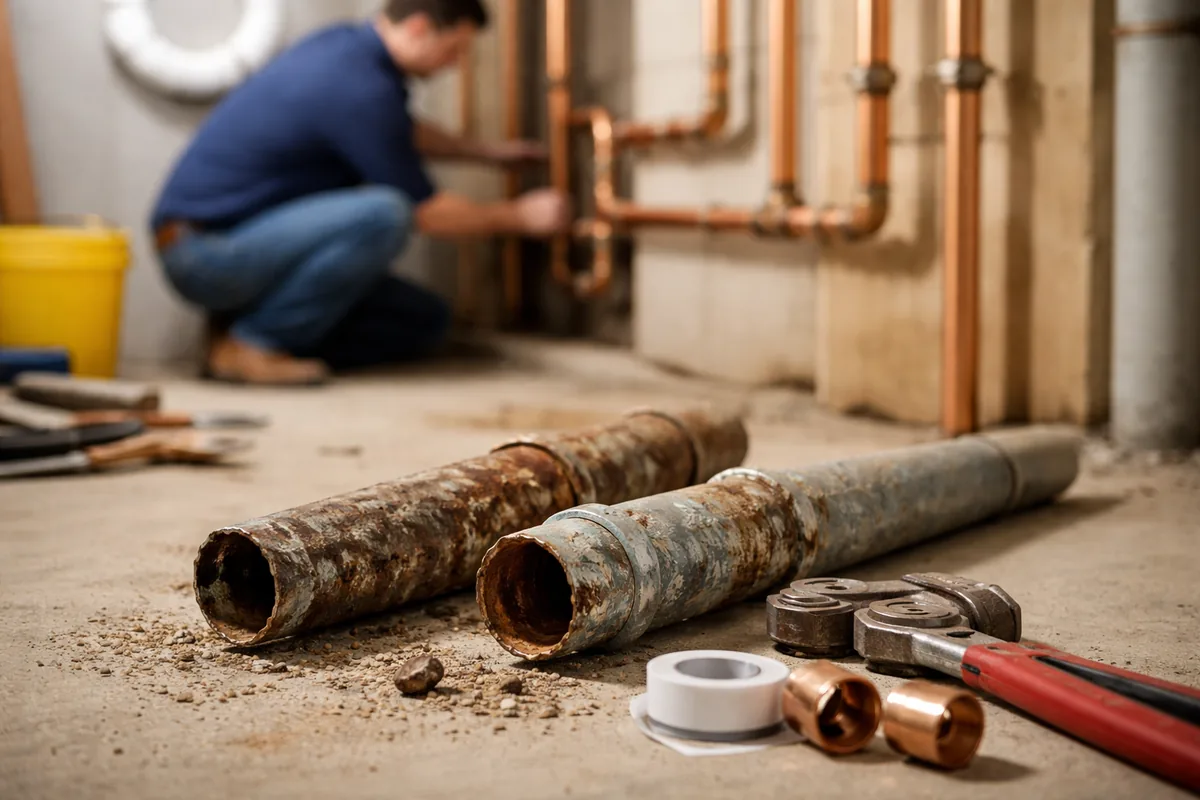
Winterizing outdoor plumbing is crucial to avoid costly repairs and potential water damage. In freezing temperatures, water can expand as it freezes, leading to burst pipes. When ice forms in the pipes, it can block water flow, causing pressure to build up, which may lead to leaks, cracks, or complete pipe failure. Preventing these issues ensures a functional water supply for your home when the warmer weather returns.
Key steps to winterize outdoor plumbing
Winterizing your outdoor plumbing involves several critical steps to protect your pipes:
- Shut off the water supply: Locate and turn off the main water valve to prevent water from entering outdoor pipes.
- Drain outdoor faucets: Open each outdoor faucet and let the water drain completely. This prevents any remaining water from freezing and expanding in the pipes.
- Remove and store hoses: Disconnect garden hoses from faucets, drain them completely, and store them indoors to prevent damage from freezing temperatures.
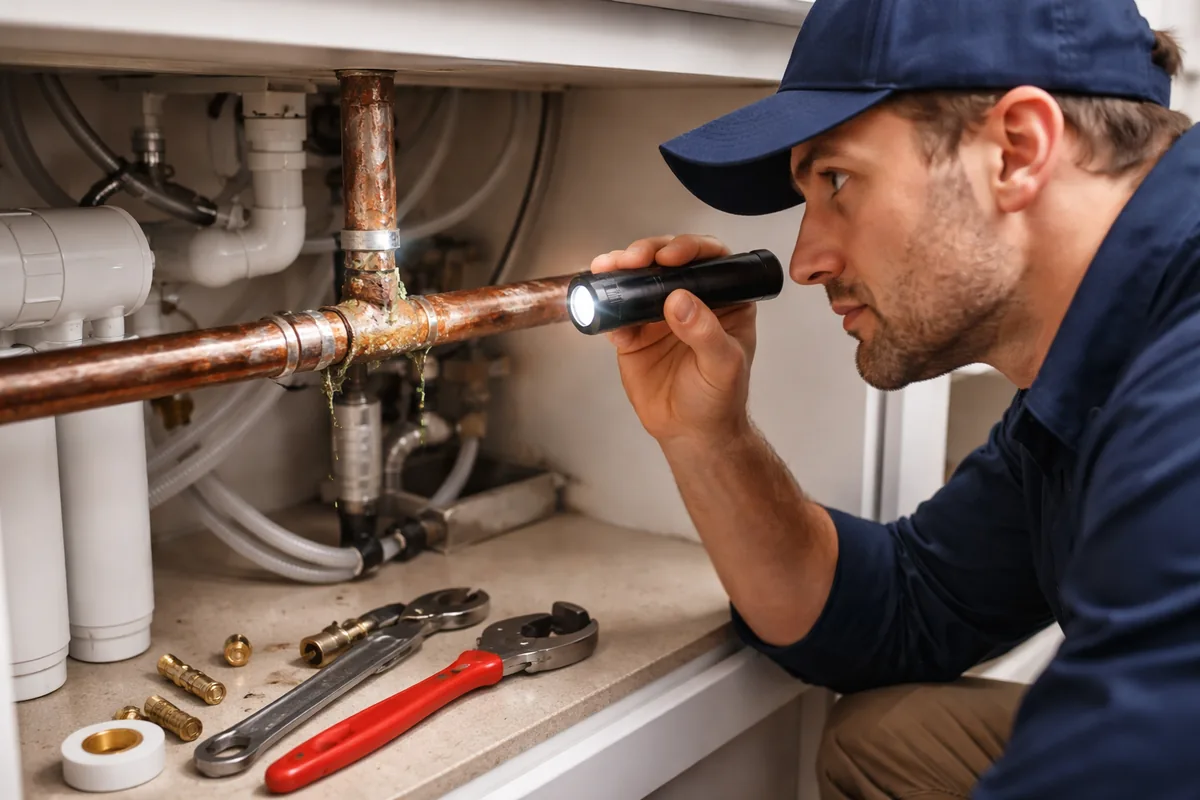
- Insulate exposed pipes: Use foam pipe insulation or heat tape to wrap exposed pipes, especially those in unheated areas like garages or attics. This insulation can significantly reduce the risk of freezing.
Understanding frost-proof faucets
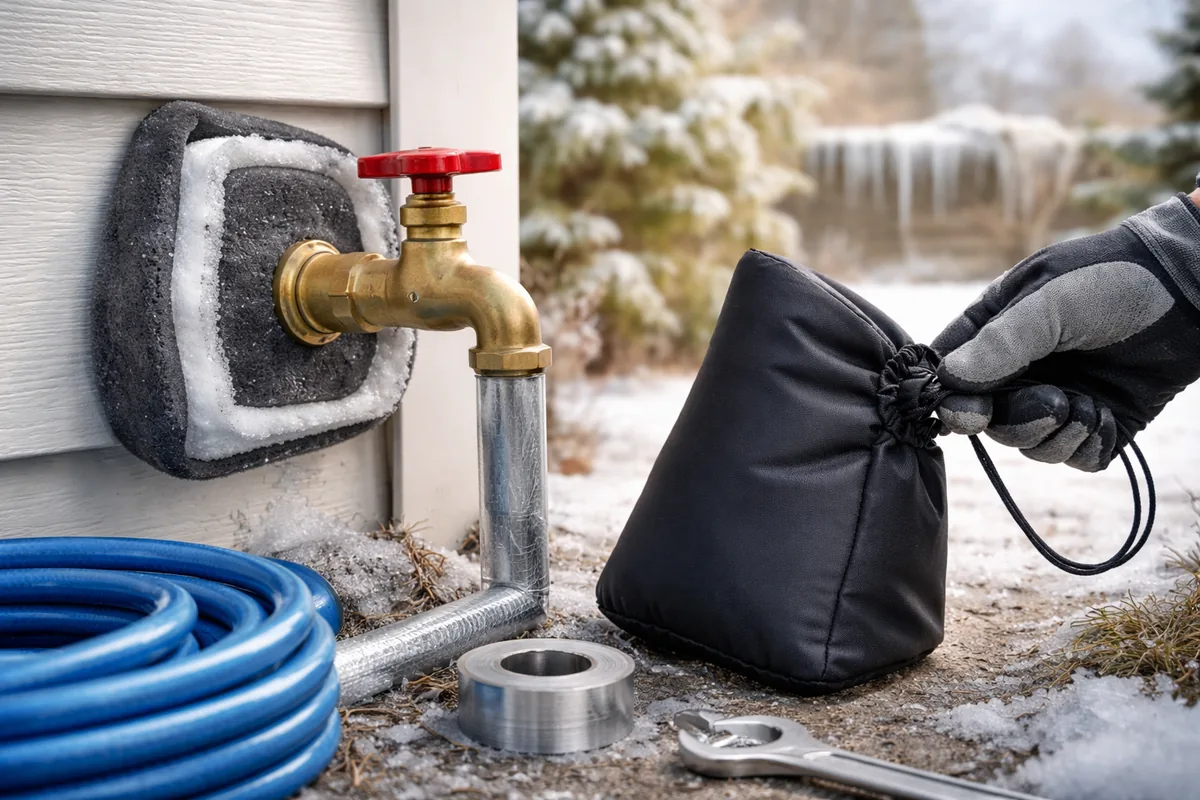
Frost-proof faucets, also known as anti-siphon or freeze-proof faucets, are designed to prevent freezing. These faucets extend their shut-off valve several inches inside the house, ensuring that a smaller amount of water remains in the line during freezing weather. To winterize these faucets, simply follow the standard winterization steps: turn them off, drain any remaining water, and cover them with insulating materials to provide extra protection.
Using faucet covers for added protection
Faucet covers are an effective way to shield outdoor faucets from extreme temperatures. These covers are generally made of insulating materials and are designed to fit snugly over the faucet, protecting it from cold air and moisture. To use, simply place the cover over the faucet and secure it in place. This layer of insulation can prevent freezing even in the harshest winter conditions.
Winterizing irrigation systems
If you have a sprinkler or irrigation system, it is vital to winterize it effectively to avoid winter damage. Start by shutting off the water supply to the system. Next, drain the existing water by opening all valves and removing any water from the lines manually. For complete drainage, using an air compressor to blow out the lines is highly recommended. This ensures that no residual water remains to freeze. After draining, insulate any exposed piping to provide further protection.
Best practices for preparing for cold weather
In addition to winterizing your plumbing, consider these best practices:
- Check temperature forecasts: Staying informed about the weather can help you address potential plumbing risks before cold snaps occur.
- Test your heating system: Ensure your home’s heating system works effectively so that indoors remains a warm environment, reducing the risks of freezing indoors.
- Plan for emergencies: Have tools and supplies ready, such as pipe insulation and faucet covers, so you can act quickly if a problem arises.
Maintaining your plumbing through winter
During winter, continue monitoring your plumbing system for any signs of freezing or leaks. Letting water drip from faucets during extreme cold can help prevent freezing. Additionally, inspect and maintain insulation throughout the winter to ensure it remains intact. Regularly check for ice formation around outdoor pipes and make adjustments or repairs as needed.
Cost considerations for winterizing plumbing
Winterizing your outdoor plumbing can save you significant costs by preventing damage. While there may be initial costs for materials like insulation and faucet covers, the expense is minimal compared to repair costs associated with burst or frozen pipes. Taking proactive action can help you avoid repairs that could run into the hundreds or even thousands of dollars.
| Task | Estimated Cost ($) |
|---|---|
| Insulating pipes | 20 - 50 per section |
| Faucet covers | 5 - 15 each |
| Professional winterization | 100 - 300 |
FAQ
When should I winterize my outdoor plumbing?
Determine the best time to winterize your outdoor plumbing when temperatures begin to consistently dip below freezing, generally in late fall.
Can I winterize plumbing myself?
Yes, winterizing outdoor plumbing can be done as a DIY task if you follow the necessary steps carefully. However, consider hiring a professional if you are unsure.
How can I prevent my pipes from freezing?
Prevent freezing by insulating pipes, allowing faucets to drip during extreme cold, and ensuring proper heating is maintained indoors.
What should I do if my pipes freeze?
If you suspect your pipes have frozen, turn off the main water valve and apply heat gently to the frozen area using a hairdryer or heat tape.
Are there specific areas of my plumbing more susceptible to freezing?
Pipes located in unheated areas such as basements, attics, or those running along exterior walls are more susceptible to freezing. Ensure these areas are properly insulated.