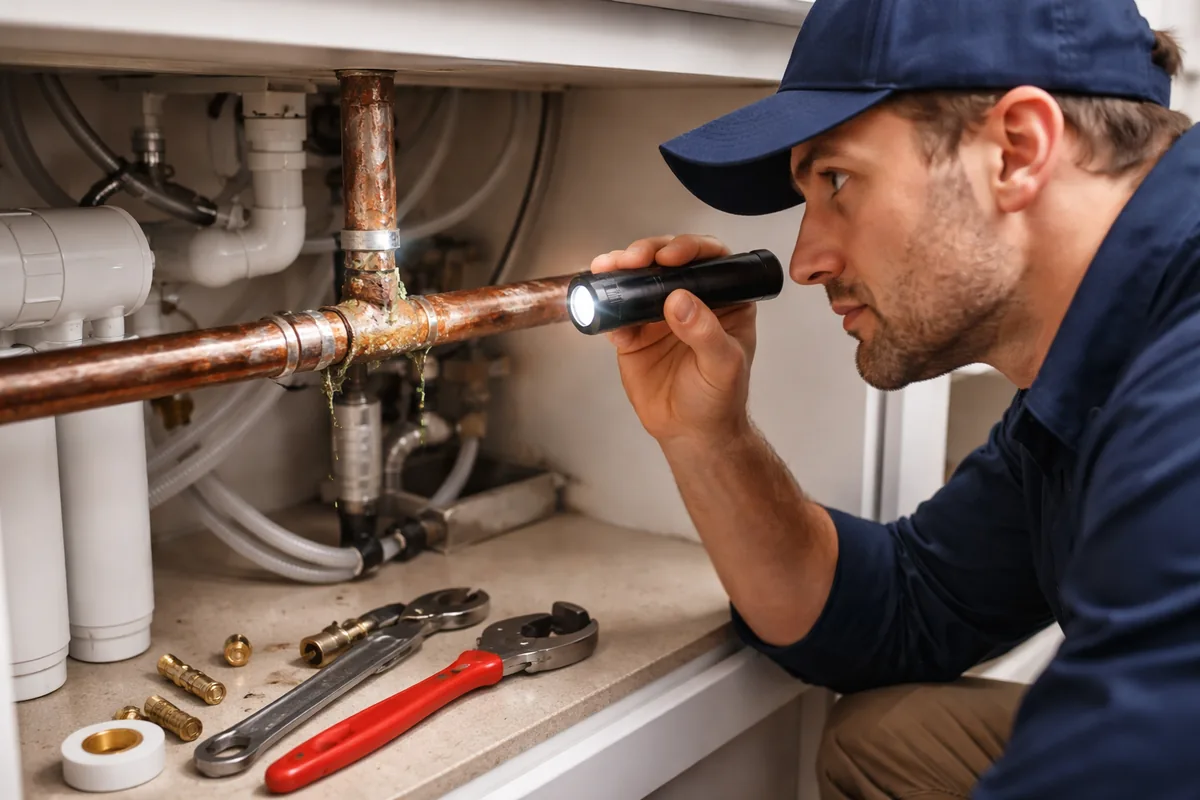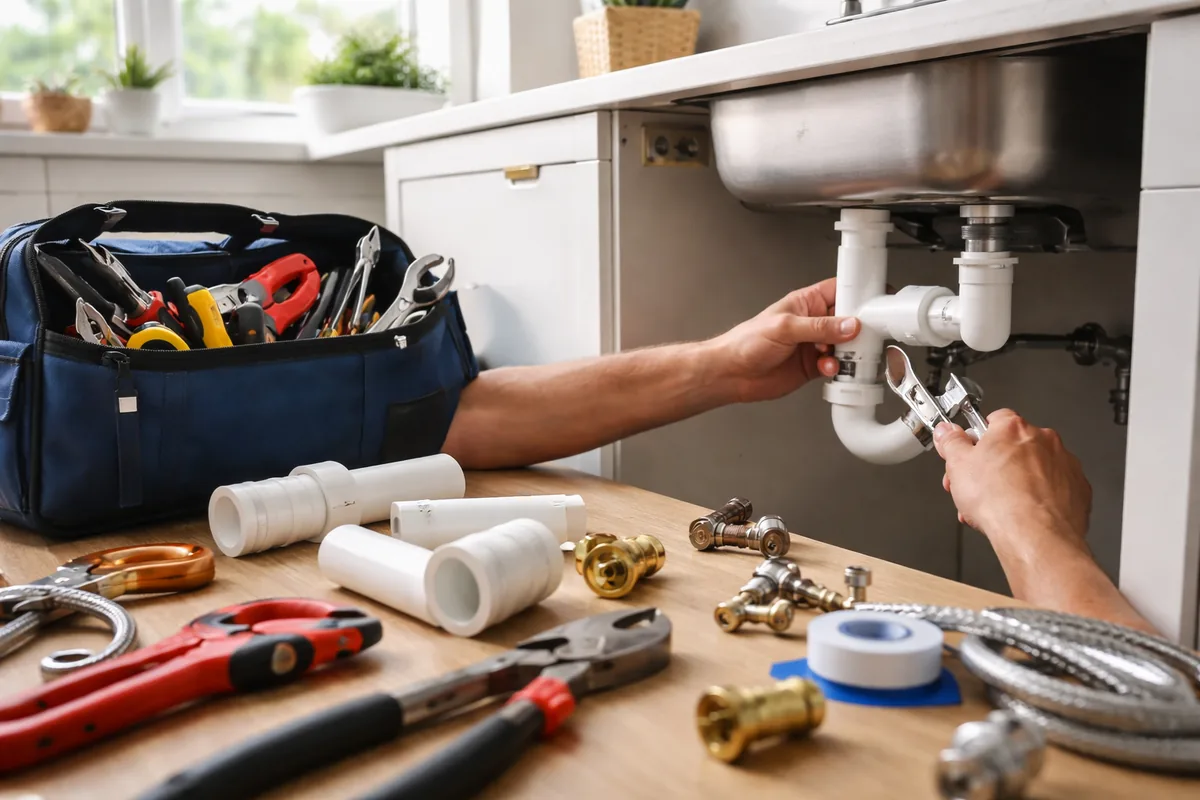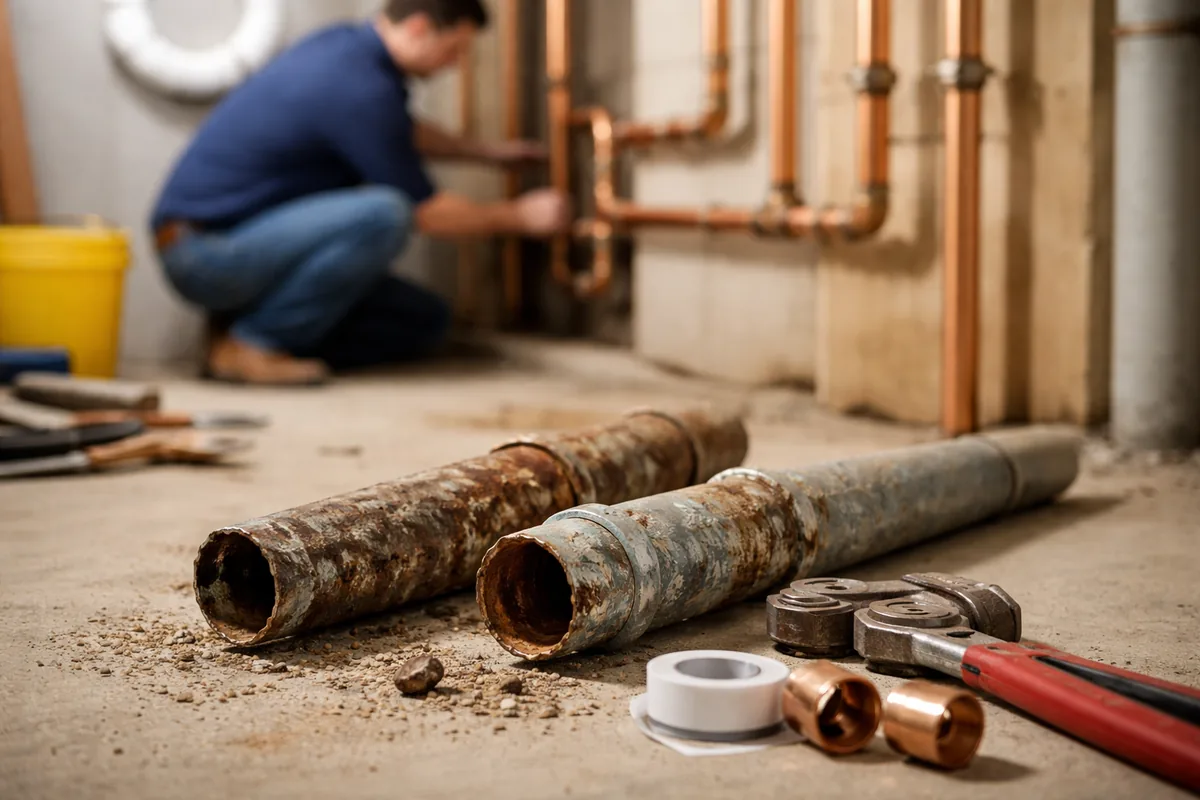
Replacing old plumbing pipes in your house is essential when you notice leaks, corrosion, or frequent clogs. Ignoring these signs can lead to extensive water damage, health hazards, and increased utility bills. Here are detailed insights into when to take action.
Signs that indicate it's time to replace plumbing pipes
Several visible signs can indicate that the plumbing pipes in your home need replacement. If you observe rust-colored or discolored water, this is often a sign of corroded pipes, particularly in older homes with galvanized steel plumbing. Frequent leaks or the presence of water stains on walls and ceilings are also red flags necessitating pipe replacement. Additionally, a significant increase in your water bill without a clear explanation may indicate leaks that can lead to replacement needs.
The impact of age on plumbing materials
Plumbing pipe materials vary in lifespan. For instance, cast iron pipes typically last about 75-100 years, whereas copper pipes may last around 70-80 years. Polyvinyl chloride (PVC) pipes have a lifespan of 25-40 years. Familiarity with the materials used in your home can aid in determining when replacement is necessary. Generally, if your house is over 50 years old and has not had a plumbing update, the odds are that replacement is overdue.
Health risks associated with old plumbing
Old plumbing pipes can pose serious health risks. Lead pipes, used predominantly in homes built before 1986, can leach lead into the drinking water, which is harmful, especially to children and pregnant women. Even copper can leach into water when pipes corrode, potentially leading to gastrointestinal issues and other health concerns. If you identify lead, copper, or even polybutylene pipes, it is advisable to replace them as soon as possible, particularly if they show signs of wear.
Cost considerations for pipe replacement
The cost of replacing plumbing pipes can vary significantly based on the type of pipes used and the size of the home. On average, homeowners can expect to pay between $1,500 to $15,000, depending on the complexity of the plumbing system. Pricing can also be affected by the need to access walls or floors. However, invest in a quality replacement as it can save money in the long term by reducing the need for continuous repairs and ensuring efficient water use.
| Pipe Material | Average Lifespan | Common Issues |
|---|---|---|
| Lead | Varies | Leaching, corrosion |
| Galvanized Steel | 20-50 years | Rust, leaks |
| Cast Iron | 75-100 years | Corrosion, cracking |
| Copper | 70-80 years | Corrosion, leaching |
| PVC | 25-40 years | Cracking, leaks |
Types of plumbing materials to consider for replacement
When replacing old plumbing pipes, various materials are available. Copper pipes are durable and have antibacterial properties but are more expensive. PVC pipes are lightweight, easy to install, and less costly, making them popular for new installations. PEX (cross-linked polyethylene) pipes are flexible, resistant to bursting, and can handle extreme temperatures. Each material has its pros and cons, so it’s essential to choose one that fits your specific situation and plumbing needs.
Finding a qualified plumber for replacement
Finding a skilled plumber is crucial for quality pipe replacement. Seek professionals who are licensed and insured, and check for customer reviews or references. You may also consider obtaining multiple quotes to ensure you get a fair price. A qualified plumber can also help you choose appropriate materials based on your home’s plumbing needs and local building codes.
FAQ
How do I know if my pipes are leaking?
Signs of a leaking pipe include water stains on ceilings or walls, damp spots on the floor, increased water bills, and noticeable drops in water pressure.
What are the common materials used for residential plumbing?
Common materials include copper, PVC, PEX, galvanized steel, and cast iron, each with its own lifespan and characteristics.
Can I replace plumbing pipes myself?
While some homeowners may handle minor pipe repairs, replacing plumbing entirely is best left to professionals to ensure compliance with local codes and standards.
What factors affect the cost of replacing pipes?
Costs can be influenced by the types of pipes chosen, the complexity of the plumbing system, labor costs, and any additional repairs needed to access existing pipes.
How often should I inspect my plumbing system?
Regular inspections every few years are advisable, especially for homes with older plumbing or those that have experienced previous issues.