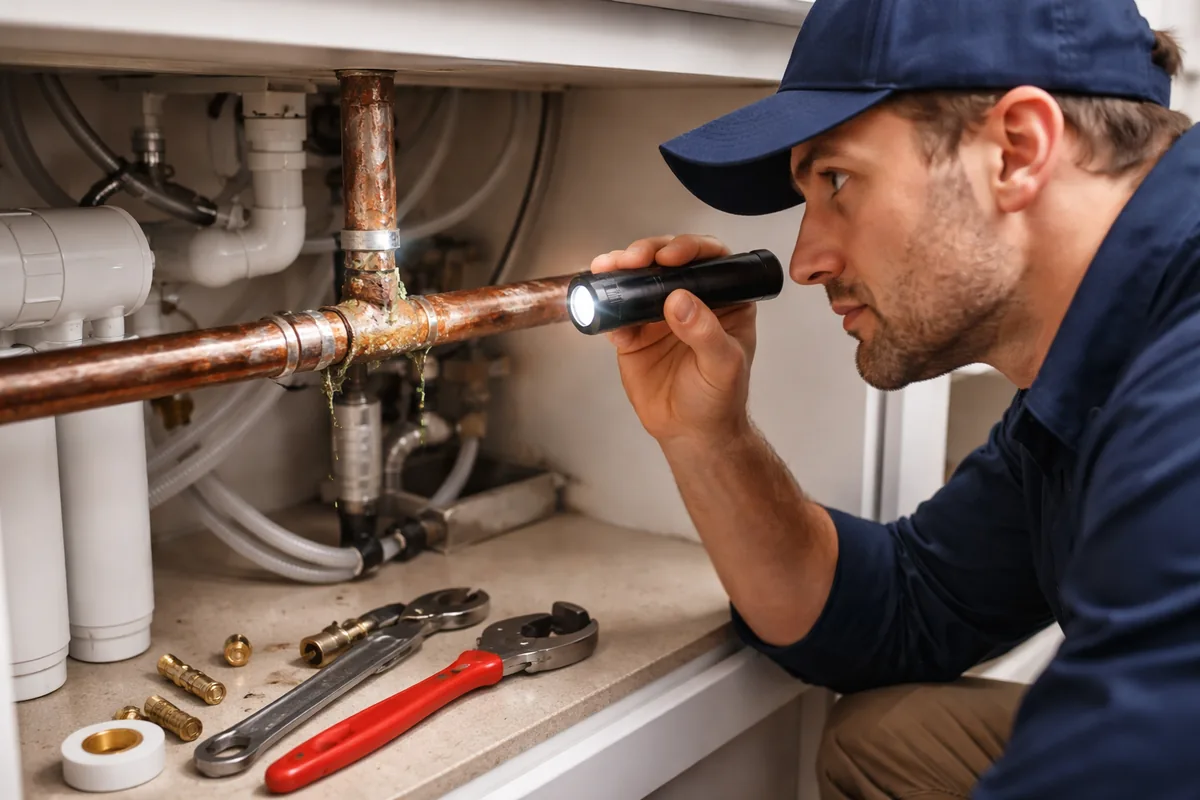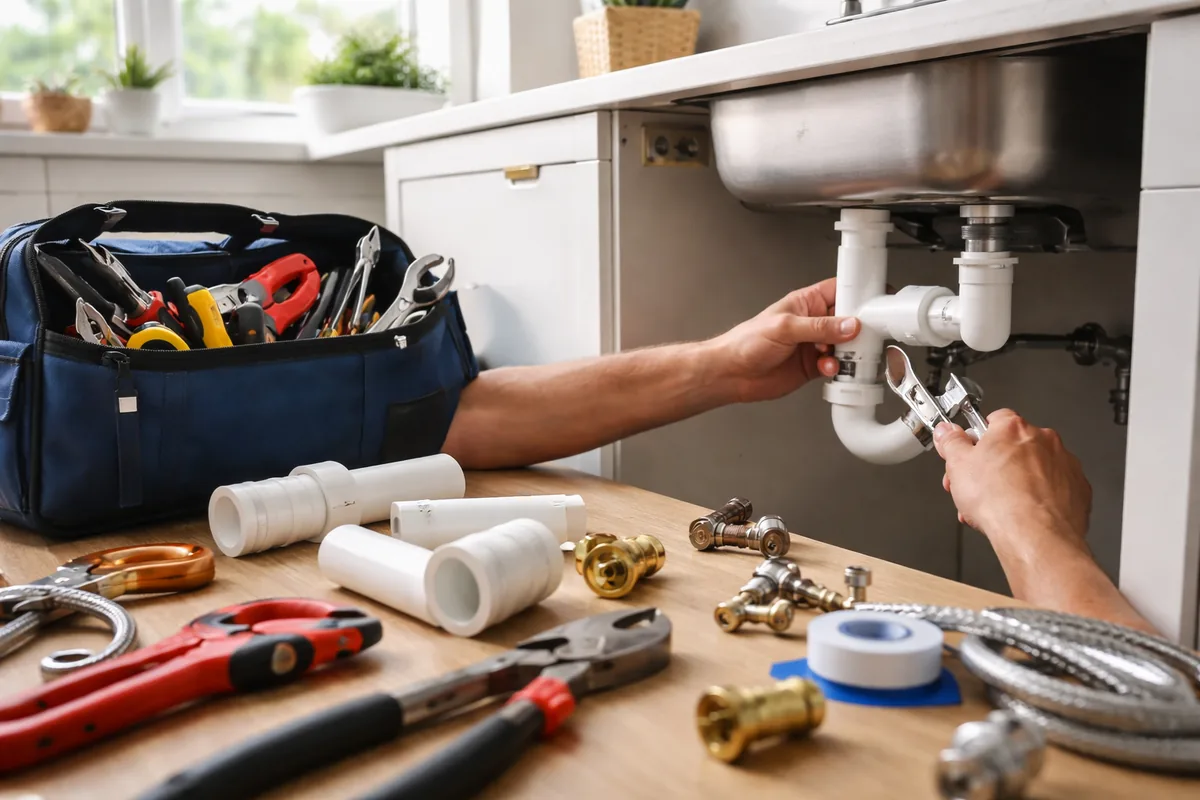
Yes, it is possible to DIY your own plumbing repairs, but it requires knowledge, the right tools, and a thorough understanding of the issue at hand. Minor repairs like fixing a leaky faucet or unclogging a drain can often be accomplished without professional help. However, more complex plumbing problems may require expert assistance to avoid costly mistakes.
Understanding your plumbing system
Your plumbing system consists of various components including pipes, fixtures, and appliances that deliver water and dispose of waste efficiently. Familiarizing yourself with how these components work together will empower you to tackle simple repairs confidently. For instance, knowing where your main shutoff valve is located can save you from extensive water damage in an emergency.
Common DIY plumbing repairs
Several plumbing repairs are well-suited for DIY enthusiasts. These tasks typically include:
- Fixing leaky faucets. If you notice a constant drip, often caused by worn washers or O-rings, replacing these components is usually straightforward.
- Unclogging drains. Hair, soap scum, and other debris commonly lead to slow drainage. Using a plunger or a plumber's snake can often resolve these issues with minimal effort.
- Replacing showerheads. This is often a quick fix that can improve water pressure and conserve water.
Understanding the tools required for these repairs can make the process much easier and more effective. Common tools you'll need include a wrench, pliers, a plunger, and a screwdriver.
Assessing when to DIY versus when to call a professional
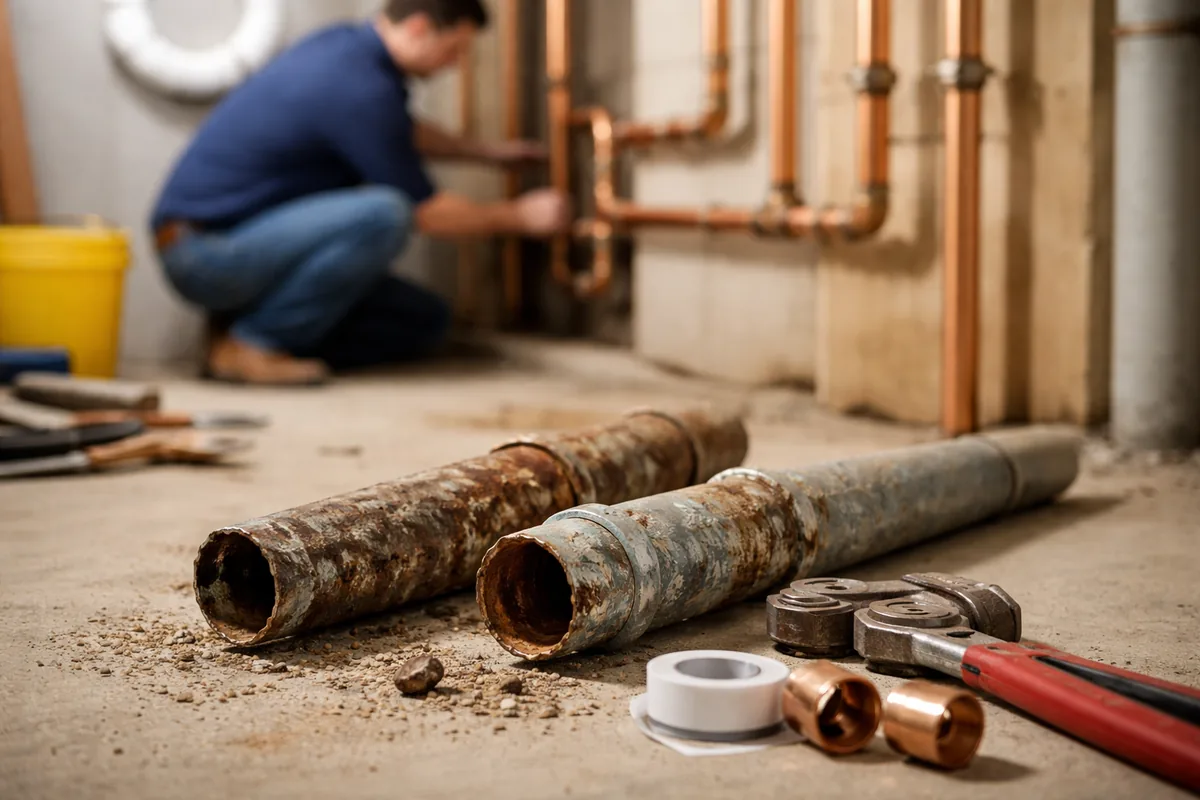
While many plumbing repairs can be handled by the homeowner, it is essential to know your limits. If a problem persists after trying to fix it yourself or involves complex systems like the primary sewer line or natural gas connections, seeking a professional plumber's help is advisable. Additionally, if your repairs require permits or inspections, a licensed plumber should be your first call.
Potential pitfalls of DIY plumbing repairs
The allure of saving money on plumbing repairs can lead homeowners to attempt tasks beyond their skills. Common pitfalls include:
- Inadequate diagnoses. Misunderstanding the source of the problem can lead to ineffective repairs.
- Damage to plumbing fixtures. Over-tightening fittings can cause leaks, while using incompatible materials can lead to system failure.
- Code violations. Many regions have strict codes governing plumbing work; improper repairs may result in fines or the need for costly corrections later on.
It's crucial to thoroughly analyze the issue before deciding to proceed. Research and leverage trusted online resources or home improvement books to build your knowledge base.
Tools and materials for DIY plumbing repairs
Having the right tools can significantly enhance your ability to carry out successful plumbing repairs. Here is a table of essential tools and their typical uses in household plumbing tasks:
| Tool | Use |
|---|---|
| Adjustable wrench | To tighten or loosen nuts and bolts on fixtures and pipes. |
| Plumber's snake | To clear clogs from drains and pipes. |
| Pipe cutter | To accurately cut pipes to the required length. |
| Plunger | Used to unclog sinks and toilets by creating suction. |
| Torque wrench | Ensuring proper tightness without damaging fittings. |
Staying safe during plumbing repairs
Safety should be a top priority when undertaking any plumbing repairs. Always turn off the water supply to the area where you’ll be working. Wear gloves and safety glasses to protect your hands and eyes from debris and harsh cleaning agents. If working with gas lines or electrical fixtures, consult professionals to avoid hazards.
DIY resources to assist you
Countless resources can help you navigate DIY plumbing repairs. Websites like YouTube have numerous instructional videos that guide you through specific repairs in real time. Local hardware stores can also offer advice and sometimes even workshops for hands-on learning. Additionally, online forums allow you to connect with experienced DIY enthusiasts and professionals who can provide insights and tips based on their experiences.
FAQ
What types of plumbing repairs can I do myself?
You can handle minor repairs like fixing leaky faucets, unclogging drains, and replacing showerheads without needing a professional.
How do I know if I should call a plumber?
If repairs involve complex issues, persist despite your efforts, or require permits, it’s best to consult a licensed plumber.
Are there risks associated with DIY plumbing repairs?
Yes, improper repairs can lead to water damage, plumbing code violations, and increased repair costs later on.
What tools do I need for basic plumbing repairs?
Essential tools include an adjustable wrench, plumber's snake, pipe cutter, plunger, and torque wrench.
Where can I find resources for DIY plumbing?
YouTube, local hardware stores, and online forums are great resources for DIY plumbing tips and instructions.