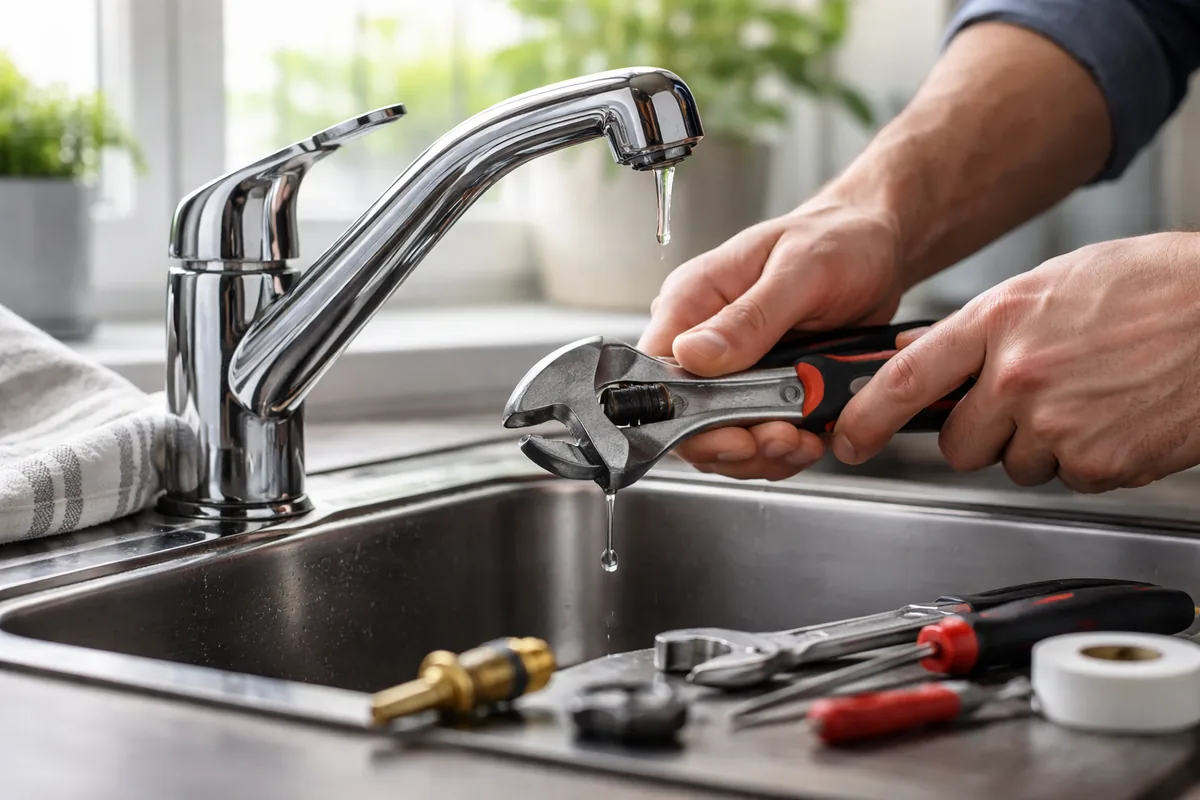
Yes, you can fix a leaky faucet without calling a plumber. With a few tools, some basic knowledge, and patience, many homeowners can address this common plumbing issue themselves.
Understanding the types of faucets
Before diving into the repair process, it’s important to understand the type of faucet you are dealing with. The most common types of faucets include compression, cartridge, ball, and ceramic disc faucets. Each type has distinct mechanisms and components that might need attention during repairs. For example, compression faucets often have washers that wear out, while cartridge faucets may require the replacement of the cartridge itself.
Gathering the right tools
To effectively fix your leaky faucet, you will need a few essential tools. These typically include:
- A flathead screwdriver
- A Phillips screwdriver
- A pair of pliers
- A wrench or adjustable wrench
- A replacement washer or cartridge, specific to your faucet type
- Plumber's grease
Identifying the source of the leak
The next step is to identify where the leak is coming from. This can often be determined by observing the faucet's behavior. If the faucet drips from the spout, the issue may lie in the internal parts, as opposed to a leak from the base, which could suggest a faulty O-ring or connection issue. Pay attention to any visible drips or puddles forming around the faucet, as this can guide your troubleshooting efforts.
Step-by-step guide to fixing the leak
Once you have gathered your tools and identified the leak's source, you can proceed with these general steps to fix a leaky faucet:
- Turn off the water supply: Locate the shut-off valves under the sink and turn them clockwise to close. If you can’t find them, turn off the main water supply to your home.
- Drain the faucet: Open the faucet to let any remaining water flow out. This will help avoid any mess during your repair.
- Dismantle the faucet: This step varies depending on the faucet type. Use the appropriate screwdriver to remove the handle. For compression faucets, you will likely also need to unscrew the packing nut.
- Inspect the components: Look for damaged parts such as washers, O-rings, or cartridges. If any components appear worn, replace them with new ones.
- Reassemble the faucet: After replacing any necessary parts, carefully put the faucet back together, following the reverse order of dismantling.
- Turn the water supply back on: Slowly turn the supply back on and check for any leaks while the faucet is in use.
Common pitfalls to avoid
Fixing a leaky faucet might seem straightforward, but several common mistakes can hinder your progress or worsen the leak. One major pitfall is failing to turn off the water supply completely, which can cause unexpected water sprays and additional cleanup. Additionally, using the wrong washer or cartridge type can lead to further leaks. Always ensure you have the correct parts before starting the repair.
When to call a professional
While many leaky faucets can be fixed using DIY methods, there are circumstances where calling in a professional becomes necessary. If you've gone through the repair steps and the faucet continues to leak, or if you feel uncomfortable performing the repair, it's wise to consult a plumber. Furthermore, persistent leaks could indicate more serious plumbing issues within your home, requiring a professional inspection.
Cost savings from DIY repairs
By fixing a leaky faucet yourself, you can save the cost of hiring a plumber, which typically ranges from $75 to $150 for minor repairs. Completing this task can also extend the life of your faucet, reducing the need for early replacements. Furthermore, tackling simple plumbing issues empowers homeowners to gain confidence in managing their home’s maintenance.
Tools and parts comparison table
| Type | Typical Cost | When to Use |
|---|---|---|
| Washers | $0.50 - $3.00 | Compression faucets with leaks |
| Cartridges | $10.00 - $35.00 | Cartridge faucets with leaks |
| O-Rings | $1.00 - $5.00 | Faucets leaking at the base |
| Plumber's grease | $5.00 - $15.00 | To lubricate O-rings and washers |
FAQ
What are common causes of faucet leaks?
Faucet leaks typically occur due to worn out washers, damaged O-rings, or faulty cartridges. Over time, constant use can degrade these components, prompting leaks.
Can I use regular grease for faucet repairs?
No, it's best to use plumber's grease as it is specifically formulated for plumbing applications. Regular grease can deteriorate rubber components and create further issues.
How long does it take to fix a leaky faucet?
The time required to fix a leaky faucet varies depending on your experience and the type of faucet. Most repairs usually take between 30 minutes to an hour.
Will I need to replace my entire faucet?
Not necessarily. Many leaks can be resolved by simply replacing worn internal components. However, if your faucet is significantly damaged or outdated, replacement may be the better long-term solution.
What should I do if the leak persists after repair?
If the faucet continues to leak after you've replaced components, it may be time to consult a professional plumber. There could be underlying issues that need expert attention.