The typical pipe sizes used in residential plumbing systems include 1/2 inch, 3/4 inch, and 1 inch for water supply lines, while drain systems generally utilize pipes that are 1 1/4 inch, 1 1/2 inch, and 3 inches in diameter. Choosing the correct pipe size is crucial for ensuring proper water flow, drainage, and overall system efficiency.
Common pipe sizes for water supply
In residential settings, the most common pipe sizes for water supply lines are 1/2 inch and 3/4 inch. The choice between these sizes largely depends on the specific needs of the plumbing system. For instance, a standard shower or sink typically uses 1/2 inch pipe, whereas a water heater or main supply line might require 3/4 inch pipe to accommodate higher flow rates. In some cases, larger sizes such as 1 inch may be needed for homes with high water demand or multiple bathrooms.
Pipe sizes for drainage systems
Drainage systems use different pipe sizes, which are designed to handle waste flow efficiently. The standard pipe sizes for drains are 1 1/4 inch for sinks, 1 1/2 inch for bathtubs and showers, and 3 inches for toilet drains. These larger dimensions are essential to prevent clogs and ensure that wastewater moves swiftly away from your home. For main sewer lines, sizes typically start from 4 inches to accommodate a higher volume of waste transfer.
Material variations and their impact on sizing
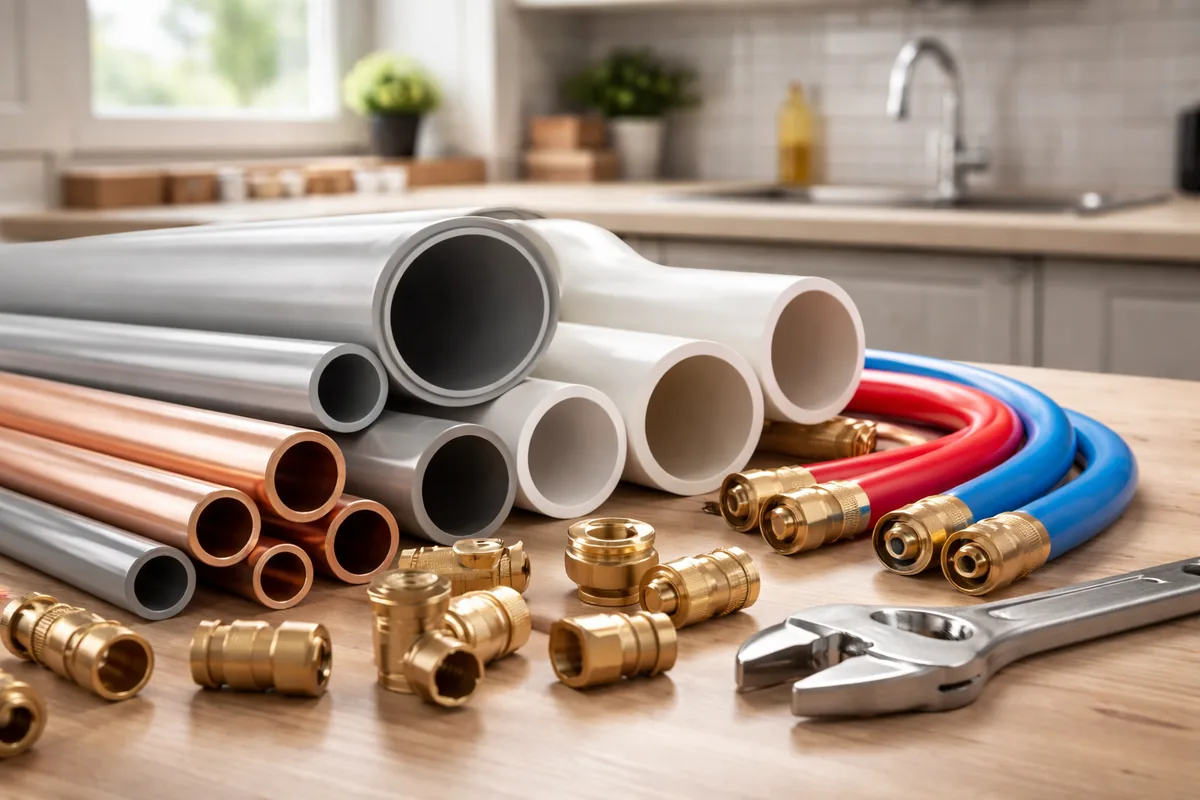
The choice of material influences the sizing of plumbing pipes. Common materials include PVC, PEX, copper, and galvanized steel, each with its own sizing standard and application. For instance, PEX tubing is flexible and often requires fewer fittings and connections, meaning it's commonly routed with slightly different sizing considerations compared to rigid pipes like copper. Additionally, the wall thickness and weight of each material can affect the effective diameter and, subsequently, the flow capacity.
Pipe sizing in relation to fixture demand
When sizing pipes for a residential plumbing system, it's essential to consider the total demand of fixtures being supplied. Each plumbing fixture, such as faucets, showers, and dishwashers, has a specified flow rate, typically measured in gallons per minute (GPM). The accumulation of these demands can determine pipe size: inadequate sizing may lead to low water pressure or inefficient drainage. For example, a household with multiple bathrooms and water-heavy appliances may necessitate larger mains to maintain adequate pressure and flow.
Understanding pressure loss and its consequences
Pressure loss is another critical factor in selecting pipe sizes for plumbing systems. As water travels through pipes, friction with the pipe walls can reduce pressure and flow rate. If a pipe is too small for the flow needs of your fixtures, you may encounter issues such as reduced performance in showers or faucets. It is advisable to refer to hydraulic calculations or consult a plumbing professional to ensure that the system maintains optimal pressure levels throughout.
Table of common pipe sizes and applications
| Application | Pipe Size |
|---|---|
| Sinks and showers | 1/2 inch |
| Bathtubs | 1 1/2 inch |
| Toilets | 3 inches |
| Main Supply Line | 3/4 inch |
| Water Heaters | 3/4 inch |
Factors influencing pipe choice
When selecting the right pipe size and type, various factors should be considered. Existing infrastructure, local building codes, and the potential for future expansions all contribute to the decision-making process. For instance, you may want to use a larger size initially if you anticipate adding more fixtures down the line. Using the right size from the start can save time and money on future renovations or repairs.
FAQ
What is the standard size for residential water pipes?
The standard sizes are typically 1/2 inch for sinks and showers, and 3/4 inch for main supply lines.
Can I mix different pipe sizes in my plumbing system?
Yes, different sizes can be used, but transitions should be carefully managed to avoid pressure drops or flow issues.
What happens if I use the wrong pipe size?
Using the wrong pipe size can lead to low water pressure, inefficient drainage, and increased risk of clogs.
Are there specific codes for pipe sizes in plumbing?
Yes, local building codes dictate specific requirements for pipe sizing and installation; it's vital to check these before beginning a plumbing project.
How does pipe material affect choice?
Different materials have varying internal diameters and flow characteristics, influencing your choice based on durability and application needs.