To quickly unclog a kitchen sink drain, start with a mixture of baking soda and vinegar, followed by boiling water. This natural method often breaks down clogs caused by grease, food particles, and soap buildup.
Understanding common causes of kitchen sink clogs
Before attempting to unclog a kitchen sink, it's vital to understand what common issues lead to these blockages. Grease accumulation is a primary culprit, as fats and oils solidify in the pipes over time, creating significant obstructions. Additionally, food particles that do not break down can combine with grease, leading to more complicated clogs. Soap buildup, particularly from bar soaps, can also contribute to narrowing of the pipes.
Tools and materials needed
Prior to starting the unclogging process, gather essential tools and materials that can facilitate the procedure. Basic items include:
- A plunger, which can create pressure to dislodge stubborn clogs.
- Baking soda and vinegar for a chemical-free solution that can dissolve organic material.
- Boiling water, effective for flushing out clogs.
- A drain snake (or auger) for tougher blockages deep within the pipes.
- A bucket for catching excess water and debris during the cleaning process.
Step-by-step guide to unclogging your kitchen sink
Follow these practical steps to tackle a clogged kitchen sink effectively:
1. Use the plunger
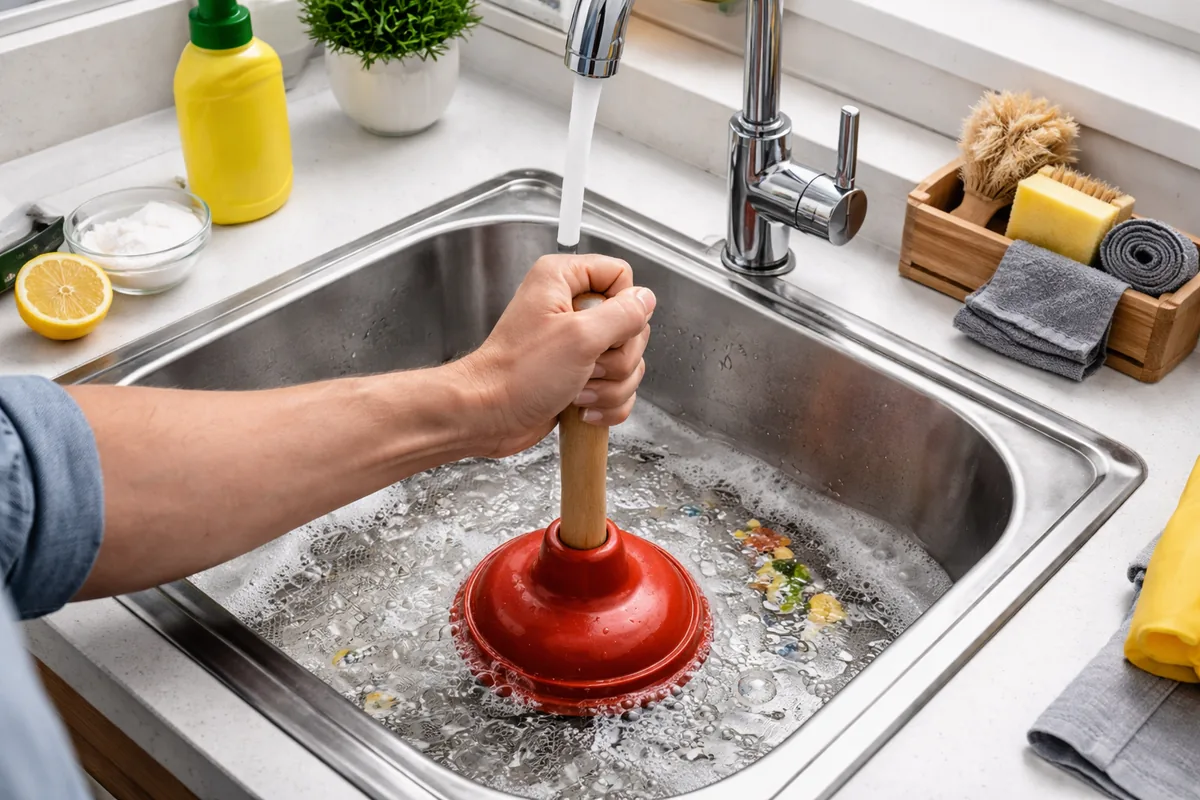
Begin by filling the sink with a small amount of water, which can help improve the seal of the plunger. Ensure there is enough water to cover the drain. Position the plunger over the drain and apply a firm up-and-down motion, maintaining the seal for about 20 to 30 seconds. If successful, you’ll feel a release, and the water should begin to drain.
2. Apply baking soda and vinegar
If plunging doesn’t clear the clog, proceed with baking soda and vinegar. Pour a cup of baking soda directly into the drain, followed by a cup of vinegar. This chemical reaction can effectively break down organic materials. Allow the mixture to sit for 30 minutes, then flush the drain with boiling water to wash down any remaining residue.
3. Use boiling water
If you suspect a grease buildup, boiling water can be your best friend. Bring a kettle of water to a boil, and carefully pour it down the drain in stages, allowing it to sit for several seconds between pours. This method helps melt and wash away grease clogs without any harsh chemicals.
4. Employ a drain snake
For persistent blockages, a drain snake may be necessary. Insert the snake into the drain and twist the handle to break apart tough material. Pull back any gunk that accumulates on the snake during the process. It might take some effort, but this should clear the path for water to flow again.
5. Clean the trap
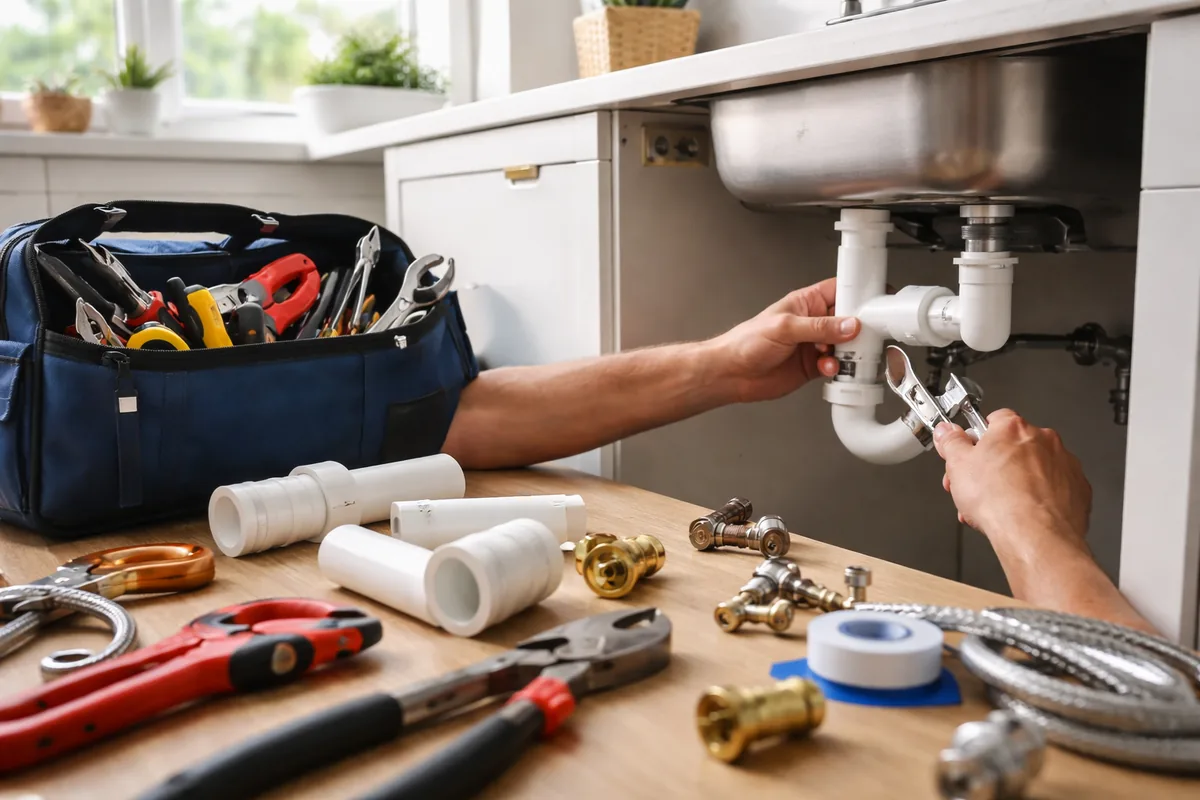
If the previous methods fail, check the P-trap beneath your sink, which can hold significant debris. Place a bucket underneath, disconnect the trap using a wrench, and clean it thoroughly by removing any trapped substances. Reassemble and check for proper function.
Maintaining a clear kitchen sink drain
To prevent future clogs, adopt regular maintenance habits. It’s advisable to flush the sink once a month with boiling water or a baking soda and vinegar mix to remove buildup over time. Additionally, avoid putting grease down the drain and utilize a strainer to catch food particles. These simple practices can significantly prolong the life of your plumbing.
| Common clogging substances | Prevention tips |
|---|---|
| Grease | Wipe pans before washing, avoid pouring grease down the sink |
| Food particles | Use a strainer in the sink |
| Soap residue | Use liquid soap instead of bar soap |
FAQ
What should I do if the clog persists after trying these methods?
If the clog remains unresolved after using the plunger, baking soda and vinegar, and a drain snake, you may need to call a plumber. Persistent issues may point to deeper plumbing problems that require professional assessment.
Can I use chemicals instead of natural remedies?
While chemical drain cleaners may provide quick solutions, they often pose risks to your plumbing system and the environment. It’s generally safer and more sustainable to use natural methods before resorting to harsh chemicals.
How often should I clean my kitchen sink drain?
It’s recommended to perform routine maintenance, such as flushing the sink with boiling water or a vinegar solution, at least once a month. This can help prevent clogs from forming in the first place.
Can I use a garden hose to help with the clog?
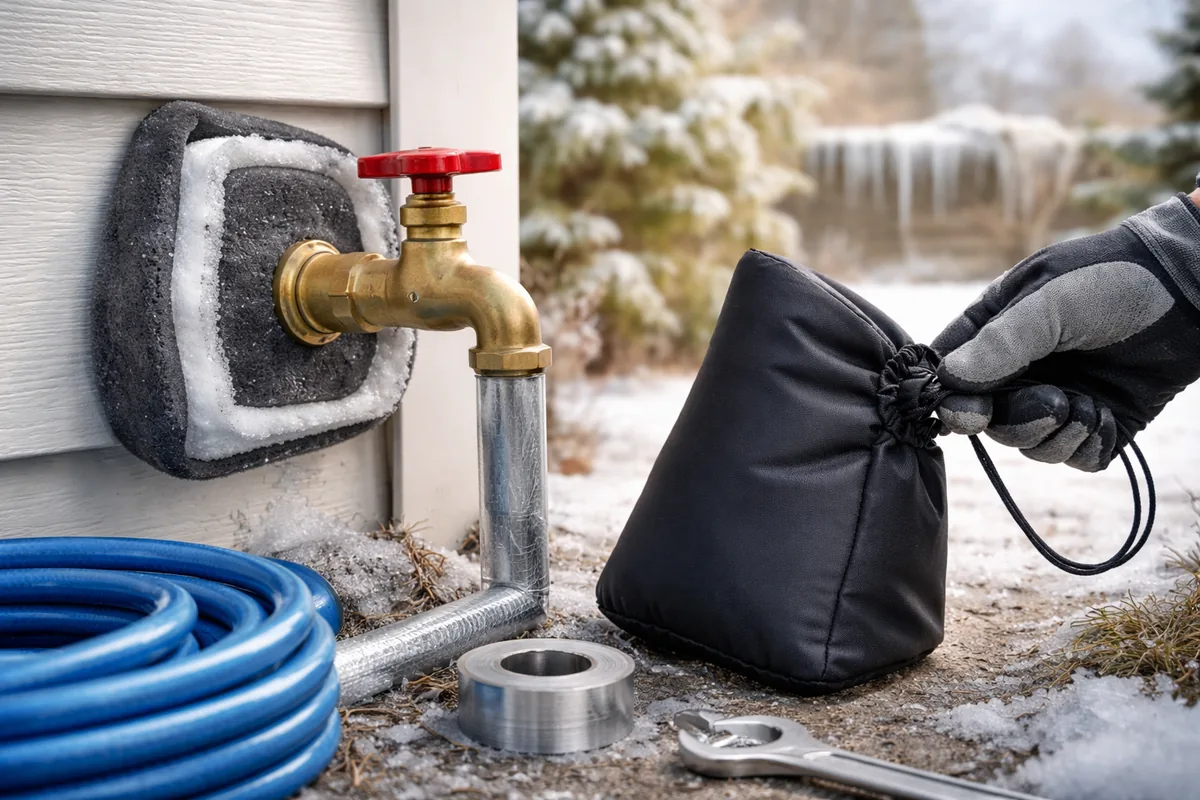
A garden hose can be beneficial in some situations, particularly for removing debris located in the drain line outside your home. Use it carefully to avoid damaging pipes, and ensure proper drainage afterwards.
What if my sink is double-basin and one side is clogged?
If one side of a double-basin sink is clogged, it may be due to a blockage in the shared drain line. Follow the same unclogging methods, but also check both sinks to see if the water backs up during the process, indicating a blockage in the common drain.