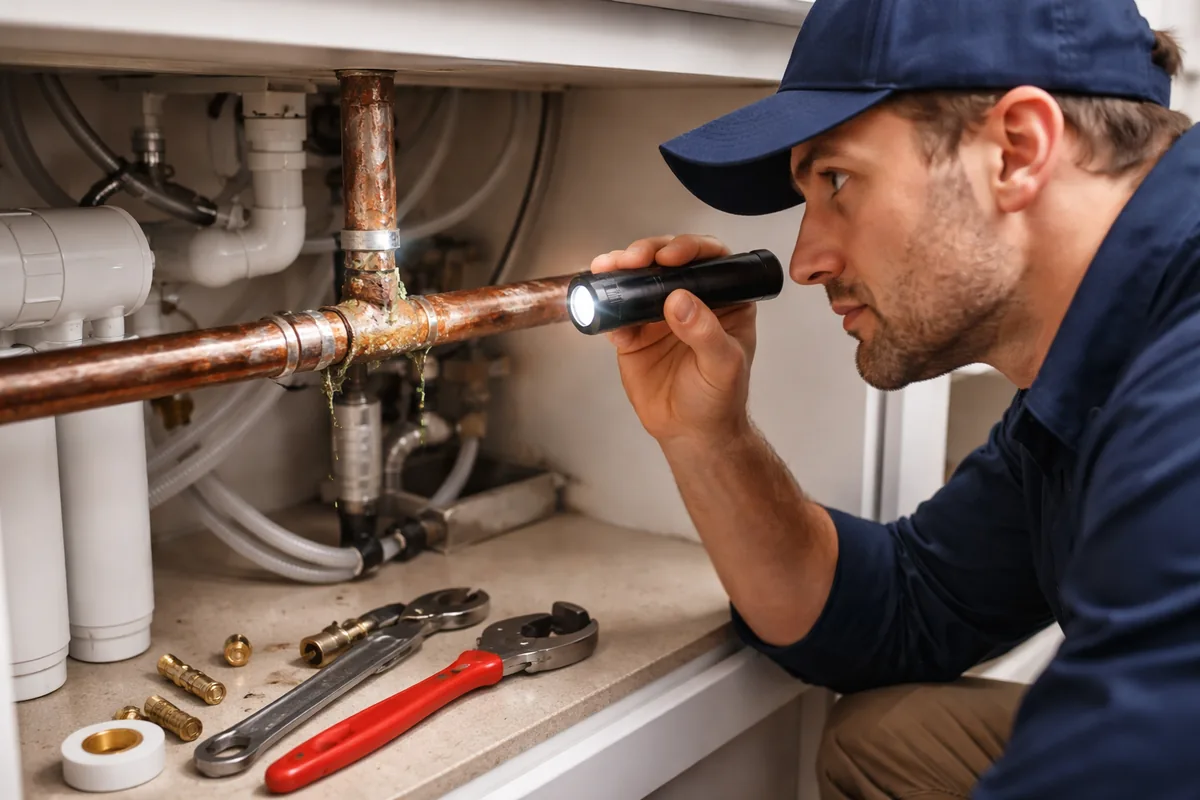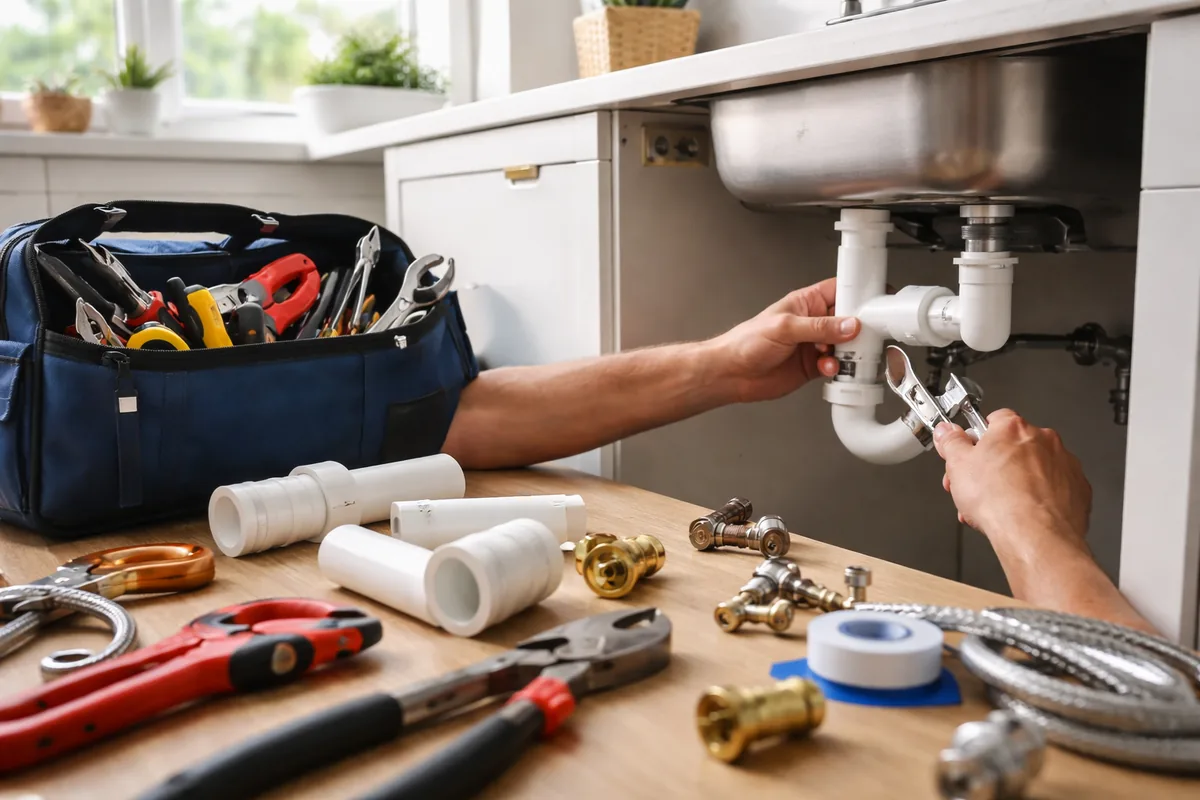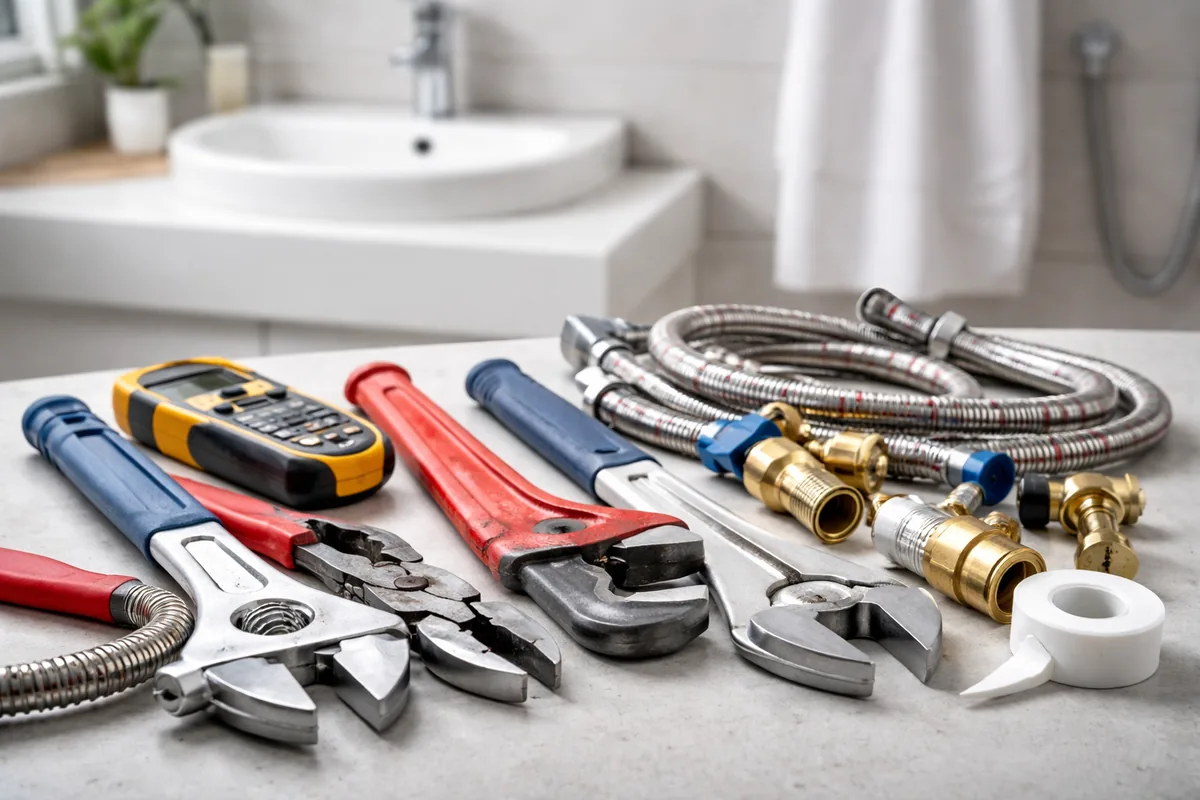
When tackling bathroom plumbing repairs, having the right tools is essential. The key tools you'll need include a plunger, pipe wrench, adjustable wrench, screwdrivers, and Teflon tape. These tools will help you address most common plumbing issues effectively.
Essential hand tools for plumbing repairs
Hand tools form the backbone of any successful plumbing repair project. A plunger is often the first line of defense against clogged drains, allowing you to apply pressure to dislodge blockages. A pipe wrench is critical for grasping and turning pipes, especially in tight spots where your hands can't reach. The adjustable wrench serves a similar purpose but can also be used on various sizes of nuts and bolts, making it versatile for multiple applications. You should also include a set of screwdrivers—both flat-head and Phillips—to tackle various screws found in fixtures, drains, or cover plates. Lastly, Teflon tape is indispensable for ensuring watertight seals on threaded connections.
Specialized tools for advanced plumbing tasks
In addition to basic hand tools, certain specialized tools can make advanced plumbing tasks more manageable. A basin wrench, for instance, is designed to reach the nuts that hold a faucet in place in hard-to-access areas. If you're dealing with larger pipes or particularly stubborn clogs, a plumbing snake or auger can help to break through tough blockages. Pipe cutters provide a clean cut for pipes, ensuring a proper fit when making repairs or installing new sections. Additionally, a torque wrench can help to avoid overtightening connections, which could damage fittings and cause leaks.
Safety gear for plumbing repairs
While it might not seem essential, investing in safety gear is crucial for any extensive plumbing work. Protective goggles can shield your eyes from splashes and debris, particularly in messy repairs like clearing clogged toilets or sinks. Non-slip gloves provide a better grip and protect your hands from sharp edges or harsh chemicals. Knee pads can be beneficial when working in tight spaces or getting down on the floor for extended periods, ensuring you remain comfortable while working.
Organizing and storing your plumbing tools
Effective organization of your tools not only speeds up the repair process but also ensures that you have what you need at your fingertips. Toolboxes and portable tool bags can help keep your hand tools sorted and easily transportable. Use clear containers to store small items like screws and washers, and label each box for easy identification. Wall-mounted pegboards can also serve to keep frequently used tools visible and within reach, minimizing lost time during repairs.
| Tool | Purpose |
|---|---|
| Plunger | Unclogs toilets and drains |
| Pipe wrench | Grips and turns pipes |
| Adjustable wrench | Used on various nuts and bolts |
| Screwdrivers | Fastening and removing screws |
| Teflon tape | Ensures watertight seals |
| Basin wrench | Access to tough-to-reach faucet nuts |
Knowing when to call a professional
While having the right tools can empower you to handle many bathroom plumbing repairs yourself, it's vital to recognize your limits. If you encounter issues like major leaks, significant pipe clogs beyond reach, or complex installations that require extensive knowledge, consulting a licensed plumber is advisable. Moreover, some plumbing systems may be under local codes and regulations that demand professional handling to ensure compliance and safety.
Investing in quality plumbing tools
When it comes to plumbing repairs, not all tools are created equal. Investing in high-quality tools can make a significant difference in efficiency and durability. Tools made from durable materials like stainless steel or high-grade plastic tend to offer better performance and lifespan. Check reviews or ask for recommendations to ensure that you are purchasing tools that have proven effective in the field.
FAQ
What is the most important tool for bathroom plumbing repairs?
The plunger is one of the most essential tools, as it helps to tackle clogs quickly.
Can I use regular tools for plumbing repairs?
While some general hand tools can work, using plumbing-specific tools is recommended for better precision and efficiency.
How often should I check my plumbing tools?
Regularly inspect your tools for wear and tear, especially before starting a project, ensuring they are in good condition.
Is it worth investing in high-quality plumbing tools?
Yes, high-quality tools tend to last longer and perform better, often providing a better return on investment over time.
When should I consider hiring a plumber?
If you face complicated plumbing problems or lack the necessary tools and skills, hiring a professional is a smart choice.