To find a leak in your basement plumbing, first check common leak sites such as joints, connectors, and fixtures. Use visual inspections, sound detection, and moisture readings to pinpoint the exact location of the leak.
Identifying common leak locations
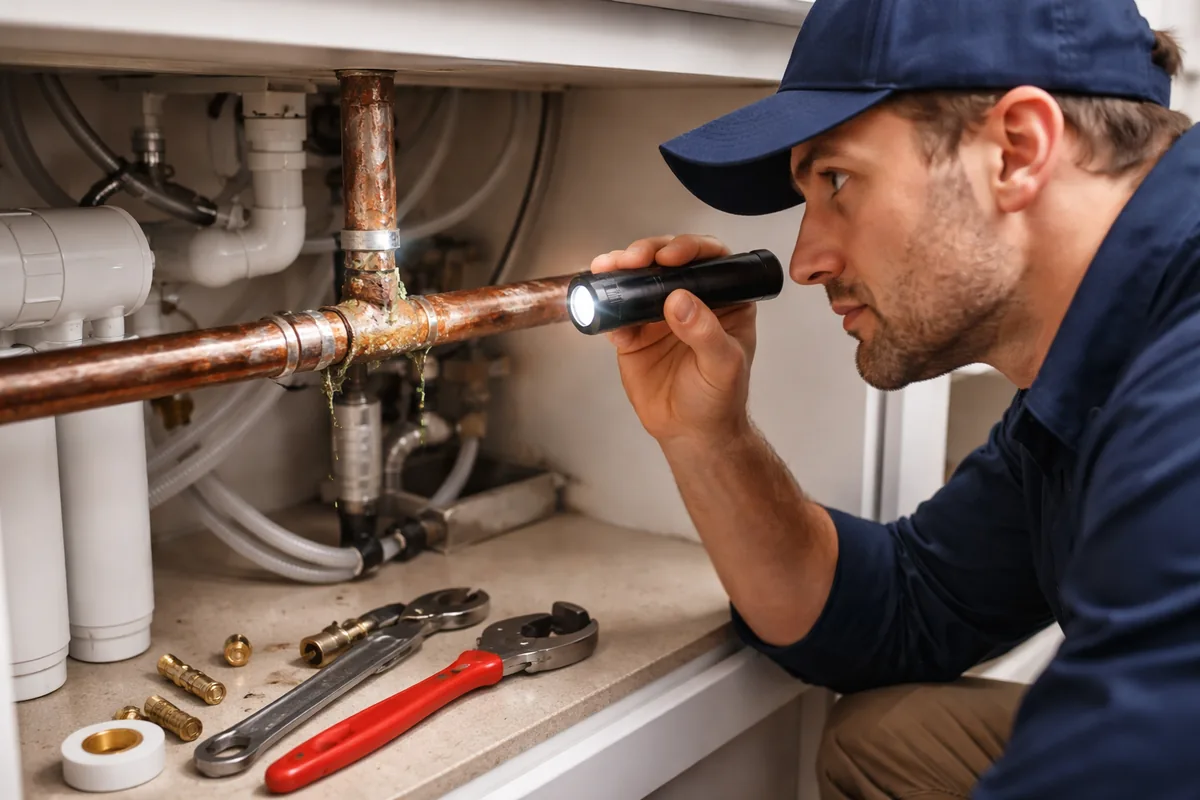
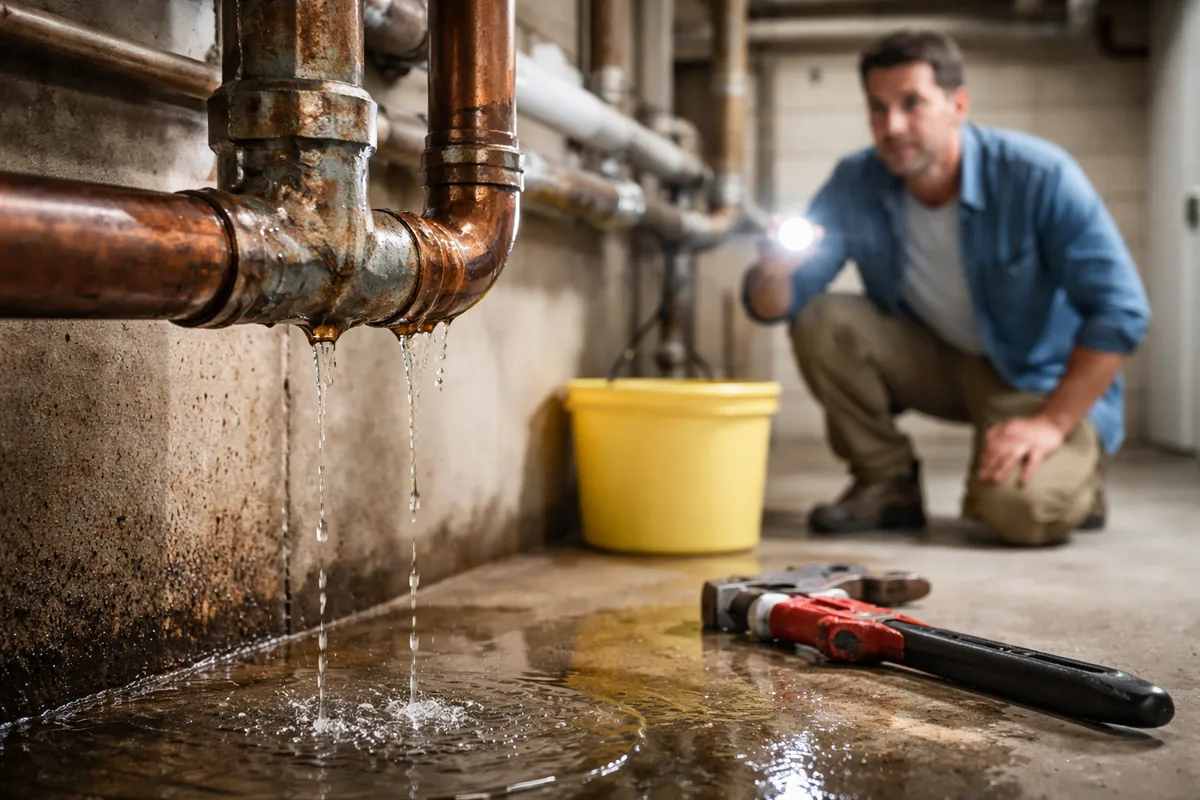
Basement plumbing leaks typically occur at various locations, each requiring a distinct approach for identification. Start by checking areas where pipes connect, including joints and fittings, as these are usually under the most stress and most prone to leaks. Pay attention to areas around water heaters and sump pumps, where moisture is likely to accumulate. Inspect any visible plumbing pipes, looking for signs of corrosion, water stains, or mold, which often indicate a leak.
Utilizing visual inspections
A thorough visual inspection can reveal many plumbing issues. Look for water stains on the floor or walls, as these can indicate where water has trickled down. Darkened spots on ceilings or walls may also point to plumbing problems above. If the basement has insulation covering the pipes, carefully peel it back to check for any sign of moisture or wet spots. Check on both the supply lines that deliver water and the drain lines that remove water. Any leaks can often be traced back to the source through methodical searching.
Listening for leaks
In addition to visual inspections, sound detection can be a highly effective strategy for locating leaks. Use a stethoscope or a specialized leak detection listening device to pinpoint the sound of water escaping from pipes. This method can be particularly useful if the leak is not visible or hidden behind walls or insulation. A hissing or dripping sound may indicate a leak, especially in quiet settings. Make sure to listen closely to both pressurized supply lines and waste pipes.
Employing moisture detection tools
Moisture meters and thermal imaging cameras are valuable tools for professionals and DIY enthusiasts alike. Moisture meters can measure the level of moisture within materials, helping identify areas that may not be visible. For instance, if a wall or floor registers a high moisture content, it could be a sign of a hidden leak. Thermal imaging cameras detect temperature variations, which may signal where water has pooled near pipes or fixtures. These technologies can expedite the leak detection process, preventing further damage.
Testing water pressure
Water pressure tests can help determine the stability of your plumbing system. A sudden drop in water pressure often indicates a leak somewhere within the system. You can conduct a simple test by turning off all water fixtures in your home and observing the pressure gauge. If the gauge continues to drop, this further confirms the presence of a leak.
Understanding the risks
Ignoring a leak can lead to significant issues, including mold growth, structural damage, and increased water bills. Clear signs of plumbing leaks include warped wood, dampness in drywall, or an unexplained spike in water costs. Even small leaks can escalate, causing extensive damage over time. Awareness of these risks underscores the importance of prompt detection and repair.
When to call a professional
While there are numerous DIY methods for detecting plumbing leaks, some scenarios warrant professional help. If the leak is difficult to locate, if it involves complex plumbing systems, or if it has resulted in significant water damage, reaching out to a licensed plumber is advisable. Professionals have specialized training, tools, and industry knowledge that can efficiently resolve more complicated plumbing issues.
| Check method | Description |
|---|---|
| Visual inspection | Look for signs of water stains, mold, and corrosion on pipes. |
| Sound detection | Listen for hissing or dripping sounds with a stethoscope or specialized device. |
| Moisture meter | Use a moisture meter to identify wet areas, especially in walls and ceilings. |
| Thermal imaging | Detect temperature changes that indicate water presence behind walls. |
FAQ
How can I check for a hidden leak without tools?
Check for water stains on walls and floors, listen for dripping sounds, and monitor your water bill for sudden increases.
What should I do if I find a leak in my basement?
First, shut off the water supply to prevent further damage, then locate the source of the leak and assess the need for repairs.
Are there signs of mold related to plumbing leaks?
Yes, mold growth often occurs in areas surrounding moisture. Look for discoloration and musty odors in damp areas.
Can a small leak cause serious damage?
Yes, even small leaks can lead to significant damage over time, including mold growth and structural weakening.
When is it necessary to consult a plumber?
Consult a plumber when leaks are difficult to access, involve complex plumbing, or if you’re facing extensive water damage.